Body
“God invented taste buds, and 10 million different flavors to go with them. The incredible pleasure of taste bears witness both that God is and that he is good (Acts 14:17).” - TGC
“God invented taste buds, and 10 million different flavors to go with them. The incredible pleasure of taste bears witness both that God is and that he is good (Acts 14:17).” - TGC
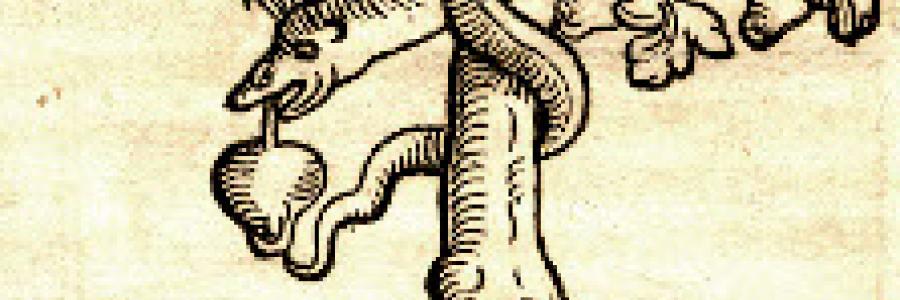
Reprinted with permission from Spiritual Reflections.
In The Knowledge of the Holy, A. W. Tozer made the following assertion in an insightful chapter entitled, “Why We Must Think Rightly About God”: “The most portentous [weighty] fact about any man is not what he at a given time may say or do, but what he in his deep heart conceives God to be like. We tend by a secret law of the soul to move toward our mental image of God” (p. 9).
Tozer does not mean that one’s words or actions are of little consequence. Rather, he means that one’s view of God serves as the control center for one’s words and actions (Luke 6:43-45, James 4:1). False views about God will naturally and inevitably issue forth in a lifestyle that, despite all pretensions to the contrary, dishonors God (Matthew 23:1-36). Conversely, right beliefs about God have the potential to fuel genuinely righteous deeds.
Reprinted with permission from Spiritual Reflections.
In The Knowledge of the Holy, A. W. Tozer made the following assertion in an insightful chapter entitled, “Why We Must Think Rightly About God”: “The most portentous [weighty] fact about any man is not what he at a given time may say or do, but what he in his deep heart conceives God to be like. We tend by a secret law of the soul to move toward our mental image of God” (p. 9).
Tozer does not mean that one’s words or actions are of little consequence. Rather, he means that one’s view of God serves as the control center for one’s words and actions (Luke 6:43-45, James 4:1). False views about God will naturally and inevitably issue forth in a lifestyle that, despite all pretensions to the contrary, dishonors God (Matthew 23:1-36). Conversely, right beliefs about God have the potential to fuel genuinely righteous deeds.
A proper view of God certainly does not guarantee godliness—Satan himself holds many orthodox views about God (James 2:19). Nonetheless, Tozer is right to suggest that evil behavior is always rooted in false beliefs about God.