
It is a bit of a stretch to call John Boys (1571-1625) a Puritan. He was an Anglican cleric who was Dean of Canterbury Cathedral and a translator of the Authorized (King James) Version of the Bible of 1611. He was certainly evangelical in his sympathies and was held in high esteem by his contemporaries.
Puritan Books Evaluated: Part 10 – The Works of Hugh Binning
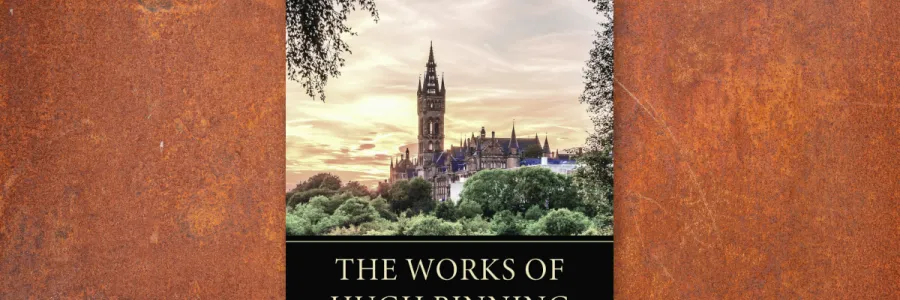
Binning was an astonishing fellow. He died at the age of 26. That’s right, 26! But a perusal of his literary remains shows a maturity of thought and a depth of theological acumen few could rival.
Puritan Books Evaluated: Part 9 – Thomas Goodwin’s ‘The Vanity of Thoughts’

Read the series.
There are many people who are wary of buying a book by a Puritan author and getting stuck in the mud from a combination of old English and heady theology. An certainly, if I were to be asked to give an example of just such an author, I think I might serve up Thomas Goodwin as my “for instance.”
Puritan Books Evaluated: Part 8 – John Owen’s ‘Communion with God’

Read the series.
This review was written some years ago, but it fits well into the present project, so I decided to include it here. I hope I will be forgiven for posting a preexisting book review in the series, but the book is one of the most famous Puritan works and really had to be included. The review is of the recent edition of the work, John Owen, Communion with the Triune God, edited by Kelly M. Kapic and Justin Taylor, Wheaton, Ill: Crossway, 2007.
Meet the Puritans 2.0
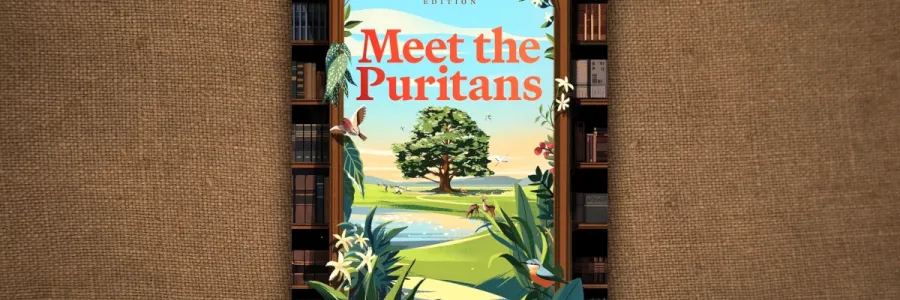
During the sixteenth and seventeenth centuries, the Puritans sought to purge Roman Catholic vestiges from the Church of England to make it more Protestant. They agreed with much of the Thirty-Nine Articles of Religion, but objected to the Church’s use of crucifixes, graven images, episcopal polity, ornate clerical vestments, the liturgical calendar, the sign of the cross in baptism, the elevation of the host, and kneeling to receive the Lord’s Supper. Their attempts to purify the Anglican Church ultimately failed, leading to the growth of dissenting denominations in Old and New England.



Puritan Books Evaluated: Part 3 – The Doubting Believer by Obadiah Sedgwick

Read the series.
There are a number of good books dealing with doubt that I would recommend. More modern authors like Os Guinness, Gary Habermas and J. P. Moreland have made solid contributions to this subject. Of the Puritan authors, we find quite a few addressing assurance, but not so many dealing with doubt.